
Closing the
Loop
Workshop · Sustainability in Fashion and Textiles
27 Oct 2026
h 9.00–15.30
Atrium, HSG Square
Workshop · Sustainability in Fashion and Textiles
27 Oct 2026
h 9.00–15.30
Atrium, HSG Square
How can the fashion and textile industry move from linear production to circular systems? This interdisciplinary workshop examines approaches to closing material loops through design principles, life cycle assessment, and digital technologies that support circularity, transparency, and traceability.
It brings together perspectives from research and practice to consider how circular strategies can be implemented across the value chain, from product design and assessment to data-driven solutions and organisational change.
About
The programme connects fashion design, life cycle assessment, and information systems, with contributions from researchers and practitioners working across these areas.
Thread 01
Design approaches to modularity, reuse, and remanufacturing are considered through prototypes, garment collections, and lived practice.
Thread 02
Life Cycle Assessment helps organizations evaluate the environmental implications of circular strategies across materials, products, and systems, becoming vital during the transition to a sustainable CE.
Thread 03
Digital Product Passports and related information systems are examined as infrastructures for product data, traceability, and circular value creation.
Programme
Tuesday, 27 October 2026 · 9.00–15.30 · Atrium, HSG Square.
09.00–09.15
Welcome and Opening
09.15–09.45
Is Circularity Always More Sustainable? Insights from Life Cycle Assessment
09.45–10.00
Fashion Exhibits: Modular, Upcycled, Heritage & Natural
Pieces shown and talked through by the people who made and wear them. See what is on show →
10.00–10.30
Coffee Break
Included in the registration fee.
Perspectives Circular fashion in practice
10.30–11.00
Startup Perspective: Circular Fashion
How a working studio builds circular garments: modular, reconfigurable, zero-waste construction, and what carrying that into a business takes.
11.00–11.30
Student Perspective: Modern Fashion for Circularity
Longevity and the R-strategies read through vintage and heritage, and what following them has changed personally and professionally.
11.30–12.00
From Vision to Action: Organising Circular Transformation
How can organisations translate circular economy ambitions into concrete action? This session discusses how organisations can approach change processes, highlights key insights from emerging guidance and standards, and presents practical tools to support transformation efforts in practice.
12.00–12.30
Circular Economy Information Systems
The Circular Economy Information Systems (CEIS, pronounced “chase”) is a system that gives brands and customers the data they need for informed decision-making at every step of a product’s life.
12.30–13.30
Lunch Break
Included in the registration fee.
Deep dive Digital Product Passports
13.30–14.00
Regulation, Standards & Roll-outs for Apparel
What the DPP already requires, which standards carry it, and how far the apparel roll-outs have actually got.
14.00–14.30
DPP in Action: Real-World Case Studies for the Circular Economy
The same passport seen from the factory floor. What it takes to attach one to a product, and to keep it readable through a second life.
14.30–15.30
Panel Discussion with the Audience: The Sustainability and Globalization Conundrum
With all speakers and the audience; moderated by Simon Mayer (HSG).
Speakers



Welcome and Opening
Dr. Fabian Takacs, Dr. Nina Schneider & Prof. Dr. Andrei Ciortea
University of St.Gallen and Vorarlberg University of Applied Sciences
Some of the people behind Circular Lab. Fabian leads the initiative from the Competence Center for Circular Economy at HSG, with the Business Informatics Research Center at FHV as co-lead, represented today by Nina. Andrei works on AI agents at ICS-HSG, and he is also a co-initiator of Circular Lab.
Circular Lab ↗
Life Cycle Assessment
Dr. Didier Beloin-Saint-Pierre
Scientist, Technology & Society Lab, Empa
Is Circularity Always More Sustainable? Environmental assessment of energy and materials systems; coordinates Empa’s work on digital ecosystems for verifiable LCA and GHG accounting.
Empa ↗
Startup Perspective
Cristina Dan
Founder & Designer, SOLVE Studio
Circular Fashion. Contextual fashion designer and researcher. Created Omdanne, the world’s first circular multifunctional collection, and the modular zero-waste Refashion design system.
solve.studio ↗ ST
ST
Student Perspective
Jonas Bendel
& Simeon Triantafillidis
Albstadt-Sigmaringen University
Modern Fashion for Circularity. Two wardrobes built on longevity rather than volume: heritage, vintage and natural pieces, and what the R-strategies look like when you live by them.
hs-albsig.de ↗

Change Management
Prof. Dr. Oliver Christ
& Prof. Dr. Jasmin Demann
Institute for Organization & Leadership,
OST Eastern Switzerland University of Applied Sciences
From Vision to Action. Oliver brings 25 years of experience in digital business, innovation and technology-driven transformation. Jasmin connects strategic organisational development with sustainability and digital transformation, informed by her experience at Bain & Company and the Technical University of Munich. Oliver is also a co-initiator of Circular Lab.
IOL-OST ↗

Information Systems
Alessandro Giugno
& Simeon Pliz
Institute of Computer Science, University of St.Gallen
Circular Economy Information Systems. Alessandro and Simeon are passionate about complex software system and sustainability. Guided by practitioner feedback, they continue to develop CEIS.
ICS-HSG ↗
Digital Product Passport
Dr. Dominique Guinard
Founder, spotd · co-founder, EVRYTHNG
Regulation, Standards & Roll-outs for Apparel. Web of Things pioneer and co-chair of the GS1 Digital Link standard; contributor to the DPP, EPCIS 2.0 and C2PA specifications.
spotd.com ↗Digital Product Passport
Moritz Fiertz
Sustainability Data Specialist,
FREITAG AG
Real-World Case Studies for the Circular Economy. From FREITAG’s Circular Tarp programme, where a mono-material tarpaulin carries a passport through its whole second life.
Circular Tarp ↗
Panel Moderator
Prof. Dr. Simon Mayer
University of St.Gallen
Co-initiator of Circular Lab. Moderates the closing discussion on the relationships between sustainability, globalisation, and circular value creation.
ICS-HSG ↗Exhibits
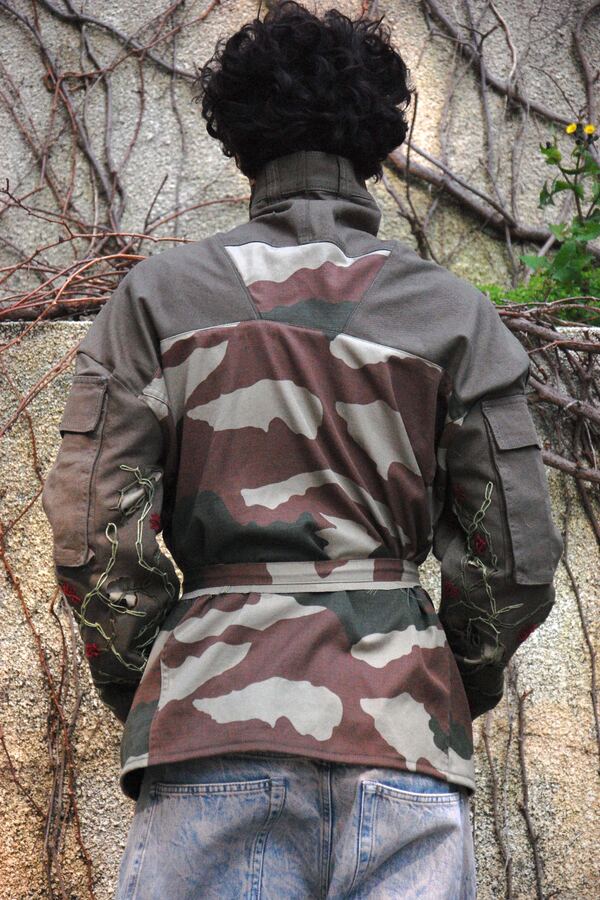
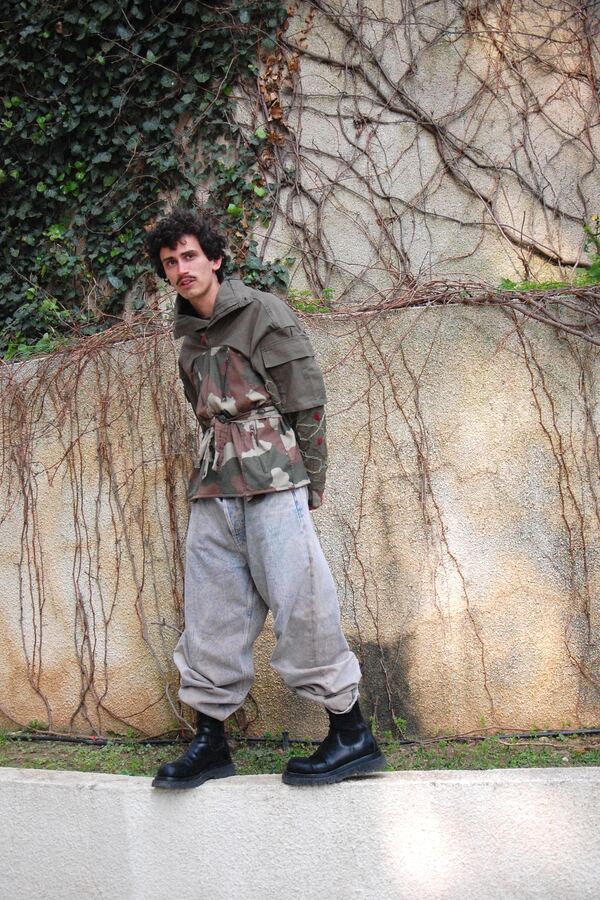
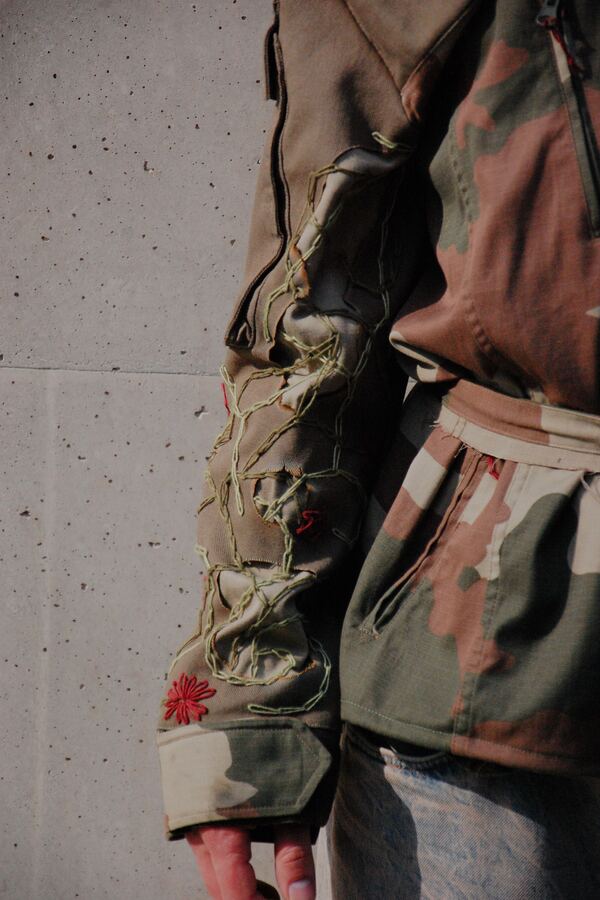
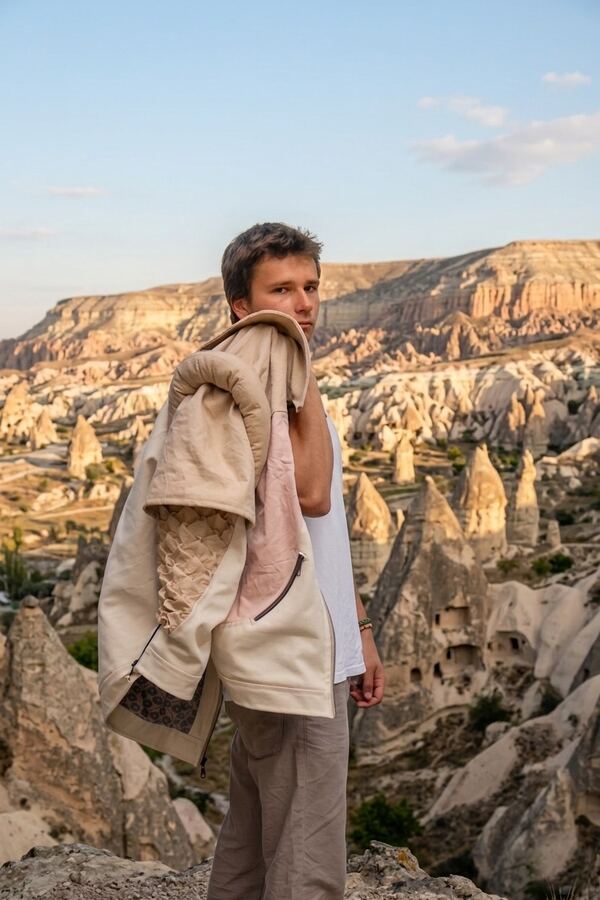
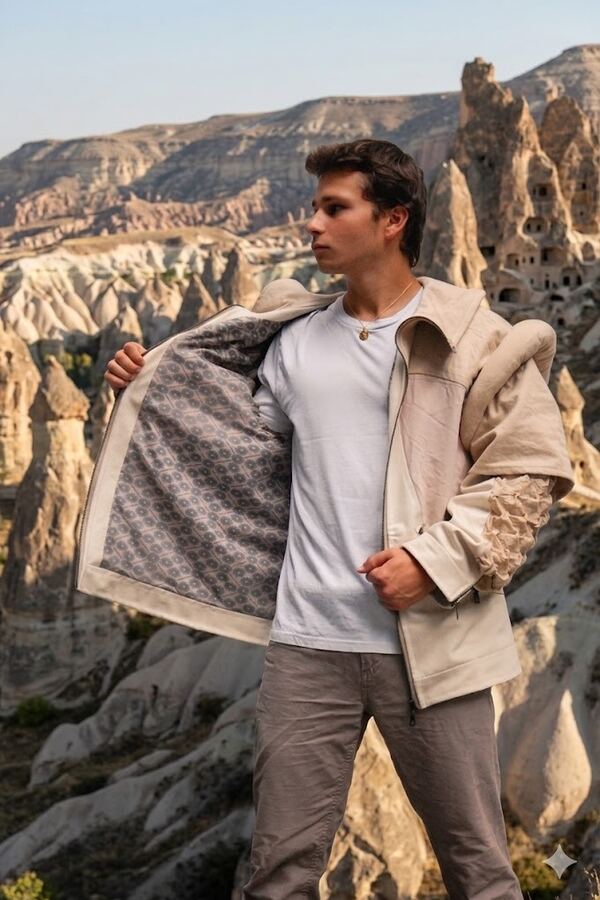
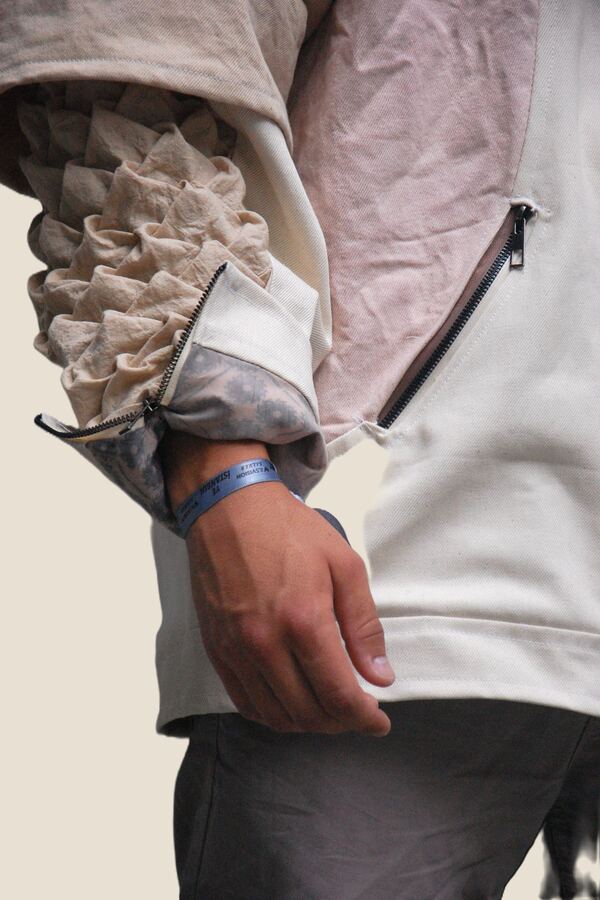
The exhibition presents garments and design approaches from the workshop, with designers and wearers introducing how each piece relates to circularity, materials, and use.
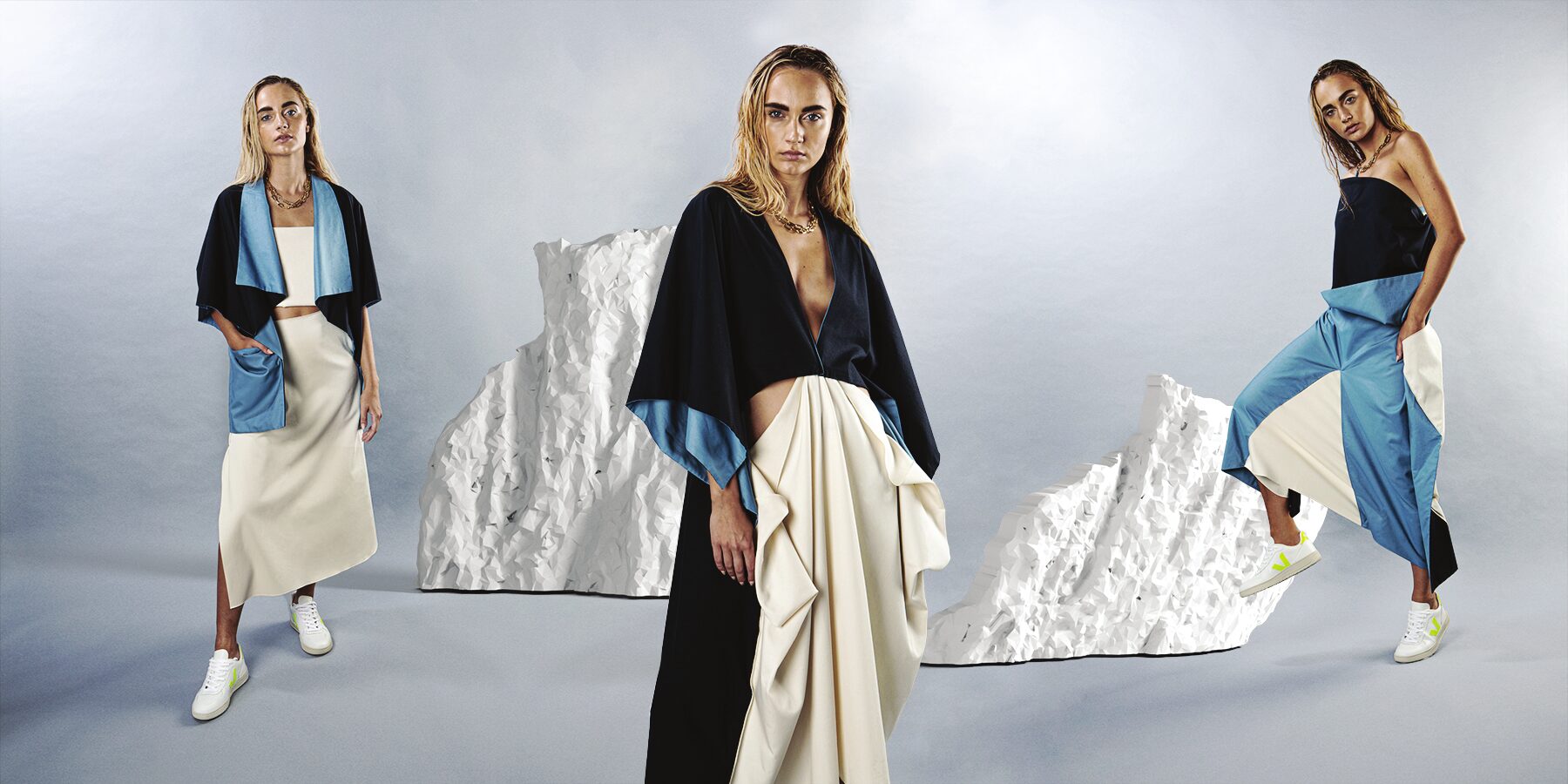
Work from SOLVE Studio’s circular practice: modular, reconfigurable, zero-waste garments in which 11 pre-designed fabric modules can generate infinite types of garments.
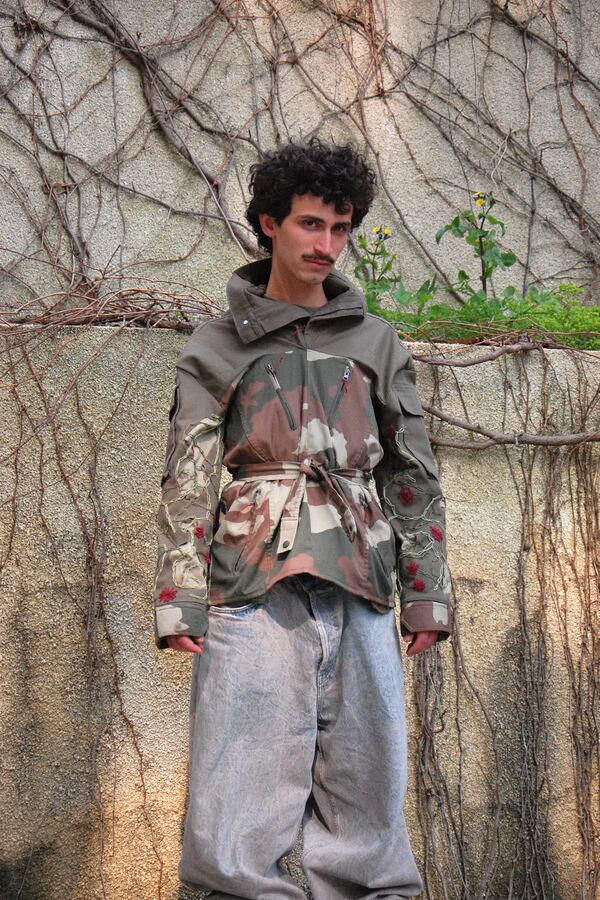
Pieces drawn from heritage construction and natural materials, with a set inspired by natural phenomena encountered in Türkiye. Clothing meant to age rather than expire.
Menswear and womenswear looks assembled from a small, deliberately repeatable set of parts, shown alongside an outdoor variant of the same wardrobe.
Three collections brought to the Atrium by Cristina Dan and Jonas Bendel.





Attend
The workshop is open to researchers, students, designers, and industry professionals. Audience questions are integral to the closing panel discussion.
Date & Time
Tuesday, 27 October 2026
9.00–15.30, doors open from 8.45.
Both coffee breaks and lunch are included in the registration fee.
Venue
Atrium, HSG Square
SQUARE, Guisanstrasse 20, 9010 St.Gallen. Ten minutes from St.Gallen main station.
Open in maps ↗
Language & Fee
English · CHF 50
The fee covers the full day, both coffee breaks and lunch. Places are limited. Register at ICS-HSG ↗
Circular Lab
This workshop is part of Circular Lab.

The Circular Lab is an interdisciplinary research and practice network dedicated to advancing the circular economy in the Lake Constance region. As a central hub for circular innovation and business-oriented sustainability, the Lab collaborates with companies, universities, and other stakeholders to develop practical approaches for implementing circular value creation, particularly in the textile industry and the agricultural and food sectors.
The programme
From June 2023 to May 2027, the Circular Lab will be funded by the Interreg VI "Alpenrhein-Bodensee-Hochrhein" (ABH) programme, whose resources are provided by the European Regional Development Fund (ERDF) and the Swiss Confederation.
Two focus areas
The Lab develops practical approaches for circular value creation, particularly in the textiles and agri-food sectors. This workshop contributes to its textiles focus area.
The work
Circular Lab focuses on circular products and business models, supports cross-company ecosystems, and formulates strategies and recommendations that advance ecological and economic sustainability.
Circular Lab Consortium









Circular Lab is funded by
